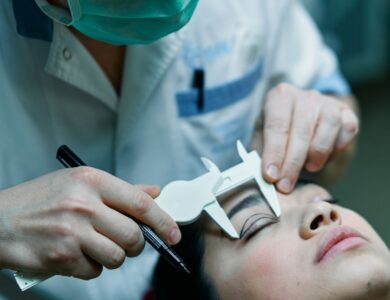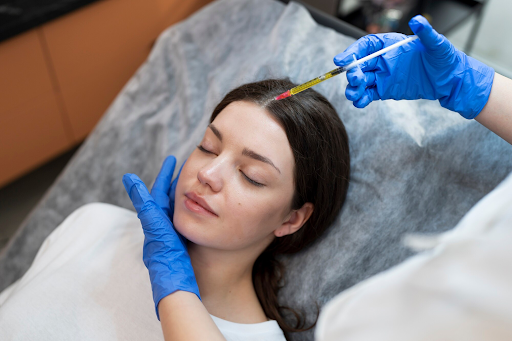
Undergoing a Plasma IQ treatment—often referred to as plasma skin tightening or fibroblast therapy—is a significant step toward skin rejuvenation. This advanced technology uses ionized gas to create a micro-plasma arc, resulting in focused micro-injuries that trigger the body’s natural healing response. While the procedure itself is precise and minimally invasive, the “social downtime” and physiological recovery are where the real work happens.
If you are transitioning from other aesthetics, such as Cambridge laser hair removal, or if this is your very first energy-based skin treatment, understanding the nuances of plasma healing is essential. Because the treatment involves “sublimation” (turning skin tissue from a solid to a gas), the aftercare is unique.
Understanding the Initial Healing Phase
Immediately following your session, your skin will begin its inflammatory response. This is a critical part of the treatment, as inflammation is the primary signal for your fibroblasts to produce new collagen and elastin.
1. The First 48 Hours: Managing the “Sunburn” Sensation
In the first few hours, the treated area will feel hot and stinging, similar to a significant sunburn.
- Keep it Cool (Carefully): You may apply cold packs to the area to reduce heat, but never apply ice directly to the skin. Wrap the cold pack in a clean, soft cloth. Apply it in 10-minute intervals to avoid “frostnip” on the newly sensitive tissue.
- Avoid Anti-Inflammatories: While it may be tempting to take ibuprofen or other NSAIDs, try to avoid them unless specifically advised by your practitioner. These medications can dampen the inflammatory response that the Plasma IQ treatment is trying to stimulate.
- Sleep Elevated: If you had treatment around the eyes or on the face, sleep with your head elevated on two or three pillows for the first three nights. This uses gravity to help reduce the inevitable swelling that peaks on day two.
2. The Golden Rule: Respect the Carbon Crusts
The hallmark of Plasma IQ recovery is the appearance of tiny, brown “carbon crusts” or dots. These are not scabs in the traditional sense; they are the result of the plasma arc’s pinpoint precision.
- Do Not Pick or Scratch: This is the most important tip. Picking these dots off prematurely can lead to scarring or permanent hyperpigmentation (dark spots).
- Let Them Fall Naturally: Typically, these crusts will flake off on their own between days 5 and 10. Once they fall off, you will see fresh, pinkish skin underneath.
- Avoid Friction: When drying your face, do not rub. Always use a clean, soft towel and pat the area dry with extreme care.
Skincare and Product Use
Your usual skincare routine—especially if it includes “active” ingredients like retinol or acids—must be paused. The goal during recovery is to maintain a sterile, hydrated environment.
3. Simplify Your Routine
For the first week, your focus should be on gentle cleansing and protection.
- Gentle Cleansing: Use a mild, soap-free, and fragrance-free cleanser twice a day. Use lukewarm water only; hot water can increase inflammation and discomfort.
- Hydration is Key: Use the specific post-care balms or occlusive ointments (like Aquaphor or medical-grade aloe vera) provided by your clinic. Keeping the area “moist” prevents the carbon crusts from becoming too brittle and itchy, which helps them stay in place longer.
- Pause the Actives: Avoid Vitamin C, Retin-A, glycolic acids, or any exfoliating scrubs for at least 3 weeks post-treatment. These can be too aggressive for the “baby skin” that is forming beneath the crusts.
4. Makeup and Cosmetics
A plasma IQ treatment creates open micro-channels in the skin during the first 48 hours.
- The 48-Hour Rule: Do not apply any makeup, including mineral makeup, for at least 48 hours. Applying makeup too early can trap bacteria and lead to infection.
- Clean Brushes Only: Once you hit the 48-hour mark, if you must use makeup to cover the dots, ensure you use brand-new sponges or brushes that have been thoroughly sanitised.
Environmental Protection
New skin is incredibly vulnerable to UV damage. While you might be used to sun protection after Cambridge laser hair removal, the stakes are even higher after plasma therapy.
5. Extreme Sun Avoidance
The pink skin revealed after the carbon crusts fall off is highly susceptible to “post-inflammatory hyperpigmentation” (PIH).
- Broad-Spectrum SPF: Once the crusts have formed (usually after 48 hours), you must apply a broad-spectrum SPF 50+ daily, even if it is cloudy or you are staying indoors near windows.
- Physical Protection: A wide-brimmed hat and sunglasses are your best friends during the first two weeks.
- Avoid the “Midday Sun”: Try to stay indoors during peak UV hours (10 am to 4 pm) for the first month.
6. Heat and Moisture Management
Until the crusts have completely fallen off, you need to keep the area relatively “dry” from external moisture like sweat or steam.
- No Gym or Saunas: Avoid strenuous exercise that causes heavy sweating for at least 3–4 days. Sweat contains salts and bacteria that can irritate micro-injuries.
- Short, Lukewarm Showers: Keep your showers brief and ensure the water is not steaming hot. Avoid getting hair products or facial scrubs on the treated area.
Long-Term Expectations and Results
Recovery from Plasma IQ is a marathon, not a sprint. While “social downtime” lasts about a week, the internal remodelling takes much longer.
- The Pink Phase: After the dots fall off, the skin may remain slightly pink for a few weeks. This is a sign of increased blood flow to the area as it builds new collagen. Continue with high SPF protection during this entire phase.
- The 12-Week Mark: While you may see some immediate tightening due to the heat-induced contraction of the skin, the “full” effect of the treatment won’t be visible for about 12 weeks. This is how long it takes for new collagen fibres to fully mature and organise.
- Cumulative Benefits: Depending on the level of skin laxity, you may require a series of 2 or 3 treatments spaced 8 weeks apart. Following the recovery tips for each session ensures that every treatment builds upon the last without complications.
When to Contact Your Practitioner
While swelling and redness are expected, you should monitor for signs of abnormal healing:
- Increased Pain: If the area becomes more painful after day 3.
- Pus or Weeping: While slight serous drainage is normal in the first 24 hours, thick yellow or green discharge is a sign of infection.
- Persistent High Fever: If you feel unwell or develop a fever alongside localized redness.
By treating your skin with patience and following these professional recovery tips, your plasma IQ treatment will lead to smoother, firmer, and more youthful-looking skin that lasts for years to come. Proper aftercare is the bridge between a clinical procedure and a beautiful, long-lasting result.